Gallery
See how AI forecasting looks in real teams and supply chains, not just sample data.


Honesty beats hype. We build trust by showing flaws, not hiding them, and expect you to push
back if something feels off.
How We Work With You
If you want to try our AI forecasting, expect honest reporting. The model is only as strong as the data you feed it. That’s why we make every logic step visible to you.
Why We’re Different
From warehouse to market impact, our reports speak plainly and keep your data safe—no
drama, just facts.
You want a supply chain system that doesn’t sugarcoat reality. We give you blunt reports, visible model assumptions, and quick access to the source data behind every prediction.
Our engineers come from the trenches—warehouses, distribution, logistics planning. We know the panic of a late truck and the relief when a forecast saves a week’s work. That’s why we never overstate what the tech can do.
We get it—some decisions just need to be made, fast. Our job is to give you the best guess the data can support, show the error margin, and let you act on what’s actually there.
Compliance matters. We respect Canadian data privacy law and only process what’s needed to deliver accurate forecasts. No hidden data grabs or surprise sharing—ever.
Our Approach
Forecasting here isn’t magic. It’s AI pulling live shipment, inventory, and warehouse logs together. We don’t assume future patterns—every estimate traces back to a specific data stream. Our team prioritizes clarity: when we see a margin of error, we say it.
What’s the pain? Most companies patch together logistics data across departments. That gets messy fast. Our process translates everything into one forecast model. You see only what’s actionable.
That model draws from supplier records, shipment logs, and warehouse levels. It flags gaps or pile-ups so you decide before it becomes urgent. Real impact—no drama.

How It Works
The Real Issue
First, we define the problem. Most businesses wrestle with messy, delayed data. Guessing shipment arrivals leads to overstock or lost sales. We know because we’ve watched teams scramble when a supplier’s truck was late or a warehouse counted empty boxes as full.
Facing Constraints
Next, we explain the trade-offs. Instant decisions are nice, but real supply chains are unpredictable. Our AI model isn’t perfect, but it’s brutally honest: you see the likelihood of early or late shipments, flagged in real time. We don’t hide margin of error.

Outcome, No Spin
Finally, we show the outcome. A daily restocking cycle forecast that shows you actual risk points. You get the heads-up before problems hit. This isn’t about perfect predictions—just fewer surprises when supply chain chaos hits again.
Curious about how our approach could work for your logistics workflow? Reach
out. We’ll walk you through the process, no jargon, and let you see the model in
action before you decide if it fits.
We keep our process simple and visible. No black boxes, no hype. Just clear links between logistics data and real decisions.
Anecdote time: We watched a mid-sized distributor miss a critical shipment window by three days. Their team juggled three tools, six spreadsheets, and still got blindsided when a key input was outdated. The fix? Feed all those sources into one live forecast. Overnight, their reordering got boring—in a good way.
Another case: a team was over-ordering because they lacked up-to-date info on what was
actually in transit. We showed how our approach could flag ‘invisible’ shipments and
correct for miscounts. The result: fewer awkward calls to vendors, more predictable
inventory levels.
Still skeptical? Good. We expect questions. That’s why every step we take—what data is
used, what assumptions are baked in, how errors are shown—is traceable. No surprise
tweaks, no hiding behind jargon.
What We’ve Seen Firsthand
Real teams, real mistakes, real-time fixes. Our method is field-tested in supply chain firefights, not just lab simulations.
Key Principles Behind Our Approach
AI-driven forecasting doesn’t promise to remove all supply chain uncertainty. It gives
you a clearer window into when and why inventory will need replenishing. Think of it as
your supply cycle weather report—sometimes accurate, always blunt.
-
01
Integrated Data Streams
We process real-time data feeds from your suppliers, warehouses, and shipments. No single source tells the whole story—so we connect them all to get a wider view of your restocking cycle.
-
02
Transparency in Forecasting
No model is perfect. We show you our confidence level for each forecast, including where the data gets fuzzy or timelines might slip. You see every caveat up front.
-
03
Proactive Problem Solving
You act before the pain hits. Our system flags when restocking needs attention, so you skip last-minute scrambles and can focus on planning, not putting out fires.
-
04
Traceable Logic
Every forecast comes with a backstory. We map each prediction to its source data, so you can question, trace, and understand the result—not just take it on faith.
What We Mean by Forecasting
Inventory restocking cycle forecasting means predicting when supplies run low and
new shipments will arrive. We use AI to make sense of real-time logistics data from
the supply chain, not gut feelings or guesswork. The pain: outdated spreadsheets and
lagging reports often leave you surprised by gaps in stock or swings in the market.
Our system doesn’t invent trends. It connects current shipment data with supply
levels, then estimates when restocking is likely.

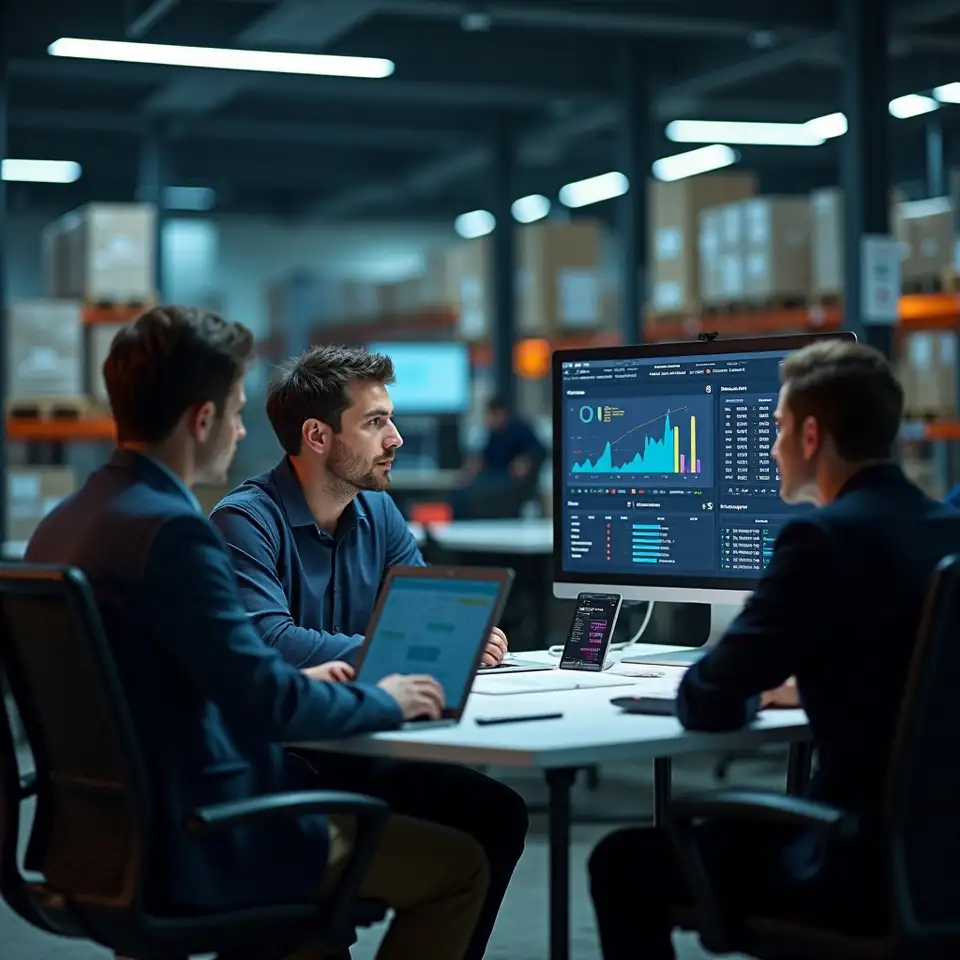
AI dashboard highlights inventory restocking needs